



Despite committed efforts by the ATC, its partners, and volunteers to keep the Trail clear, those hikers are probably detouring around or climbing over toppled trees and branches that snarl this section of the Trail after winter. Winter blowdowns happen along all of the A.T., even after a mild season. But clearing the Trail in the Great Smoky Mountains National Park is always especially difficult due to its remote nature.
It’s become even harder since 2024 when more than 800 miles of trail in Virginia, Tennessee, North Carolina, and Georgia were impacted by Hurricane Helene. To compound the devastation caused by Helene, the winter that immediately followed was hard, causing higher numbers of trees and branches to come down, further eroding the landscape, and weakening tree root systems. In the spring of 2025, volunteers clearing the winter blowdowns estimate that it took teams days to clear just one-tenth of a mile of trail.

Photo by Ali DECK
For a month each spring, once seasonal roads have opened, the NPS authorizes volunteers with special agreements and training to do spring clearing on the A.T. in the Smokies with chainsaws. This year, the chainsaw window was from April 23 to May 23. But getting that mechanized equipment — and volunteers and staff — to parts of the Smokies is not easy.


The ATC, the NPS, and equine groups have agreements to help clear the Trail during the chainsaw window. These annual volunteer contributions help to keep “horse hiking” available year-round on designated miles of the A.T. Equine groups that help with parts of the A.T. in the Smokies during the spring chainsaw window include the North Carolina, Big South Fork, and Southern Highlands chapters of the Back Country Horsemen of America (BCHA); the Volunteer Horsemen of the Smokies; and the Smoky Mountain Trail Riders. “It’s a very collaborative strategy that reflects the ethos of the Appalachian Trail,” Sentz says. “The A.T. was built by volunteers and it’s still maintained by volunteers. All these volunteers and different organizations involved have a role in managing the Trail. This cooperative partnership along the A.T. with the equestrian community is unique to the Smokies,” Sentz says. “It’s very special.”
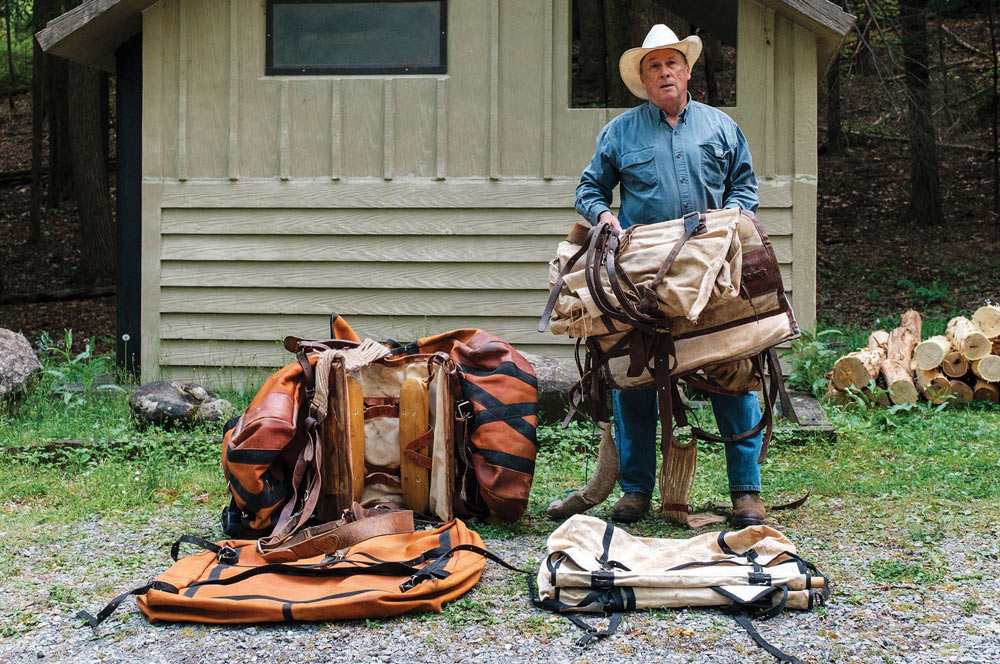
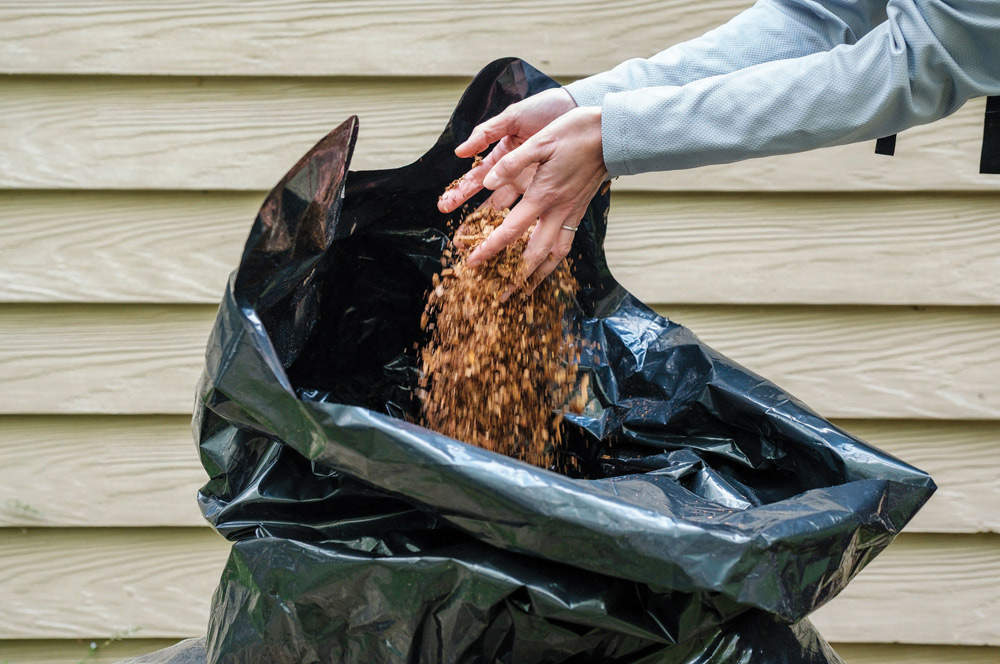
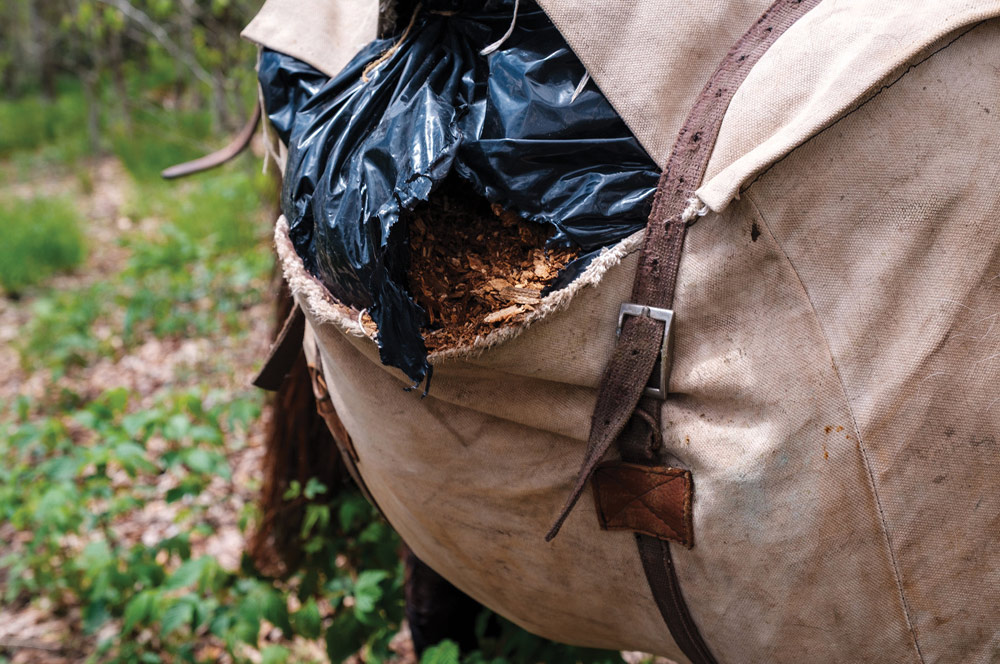
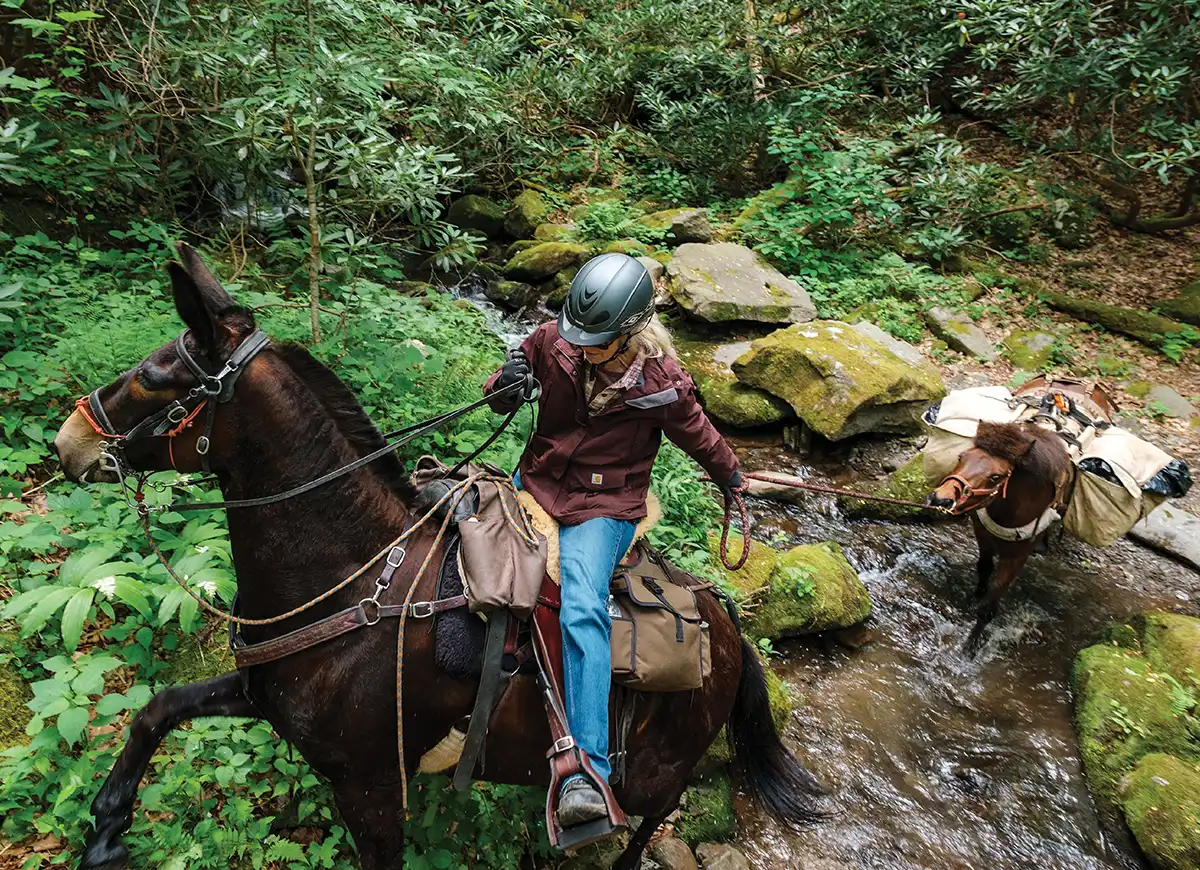
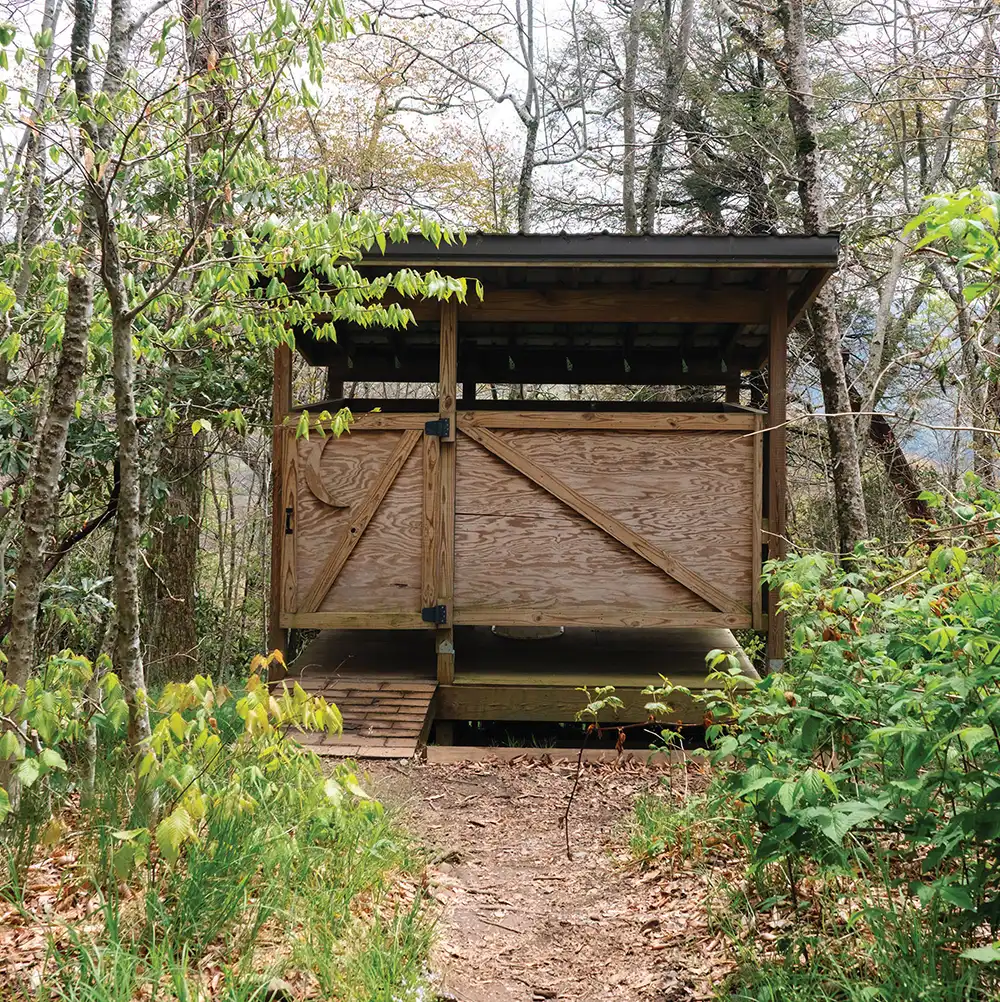
In late April, Sentz joined BCHA volunteers on one of their workdays on the A.T. During the spring clean-up, the BCHA volunteers ride horses and mules carrying the chainsaws, safety equipment such as helmets, fuel for the saws, and ample water. Often, the mules carry packs of mulch to resupply the remote privies along the Trail. Mostly, it’s daily ins and outs, but some clearing requires an overnight, either in A.T. shelters or camping out. Overnight trips can be more efficient, but the trade-off is having to pack more supplies.





Fellow BCHA member and volunteer Keith Holley of Jamestown, Tennessee, shares Michael’s admiration for mules. He raises mules at his working farm — 24 this spring. These well cared for mules are the ones that help during the annual chainsaw window. For his mule breeding program, Holley is partial to Tennessee Walking Horse mares. He is a native of the area and grew up on a working horse farm. “This has been my entire life,” he says. And another generation of Holleys is already in the saddle. “We take out the grandchildren for a lot of pleasure rides on the mules,” says Holley, who is retired from a 32-year career with the Army Corps of Engineers. He’s spent years volunteering on the A.T. and breeding the participating mules on his farm. “We have at least a second generation of mules working the spring clear,” he says.

Describing the activity during the chainsaw window, Holley explains, “We ride the horses in first with saws and clear the Trail. Then we go in with mules and the mulch packs. We unload mulch packs at the privies and, after a rest for both humans and equines, get back out.”
Operating chainsaws, called sawyering, requires special training and certification. There’s a tiered progression from new sawyer to certified trainer that sawyers must renew every three years. Holley is a certified trainer. “It requires a minimum of three to go out sawyering,” Holley says, “Six is the maximum number that can work safely together.”
When mulch is needed for the remote areas along the Trail, SMHC volunteers play an essential role. The NPS provides the Club with the mulch and an area for a mulch tent. To ensure the mulch used to resupply the privies is free of diseases and non-native pests, the NPS produces it from trees and brush removed from trails and roads in the park, then distributes it to the SMHC volunteers. “After the mulch is thoroughly dry, we bag it into 20-pound bags for pack mules,” says Taylor Weatherbee. Weatherbee is a Club member and retired cardiologist living in Walland, Tennessee, about an hour from the A.T. “We probably bagged 100 20-pound bags this spring,” he says. Once the bagging is done, Weatherbee and other volunteers bring it to the horse and mule staging site in their own trucks for delivery to the more remote shelters with privies. The shelters closer to the trailhead — typically within 3 miles or so — usually have mulch carried there by human volunteers who coincidentally refer to themselves as “mulch mules.”

Weatherbee’s modest mention of using his personal truck to carry the volunteer-tended mulch to the starting point is just one example of the Club’s and Horsemen’s generous financial and time investments. This kind of dedication is an important part of what keeps the Trail open to visitors.
The Horsemen raise and care for their equine year-round, load them into 30-foot trailer rigs, drive many miles to staging sites, supply horse tack, and provide food and water for humans and animals. They use their own chainsaws (and the occasional old-fashioned crosscut saw when not in the chainsaw window), buy saw blades, safety equipment, and fuel for the horse trailers and chainsaws — all at their own expense.

Michael agrees. Sometimes he encounters early thru-hikers while he’s sawyering during the chainsaw window. “Folks who saw the work were so grateful. Many hikers don’t know how the clearing happens, I think they assume it’s paid work. They are amazed that volunteers do it.”